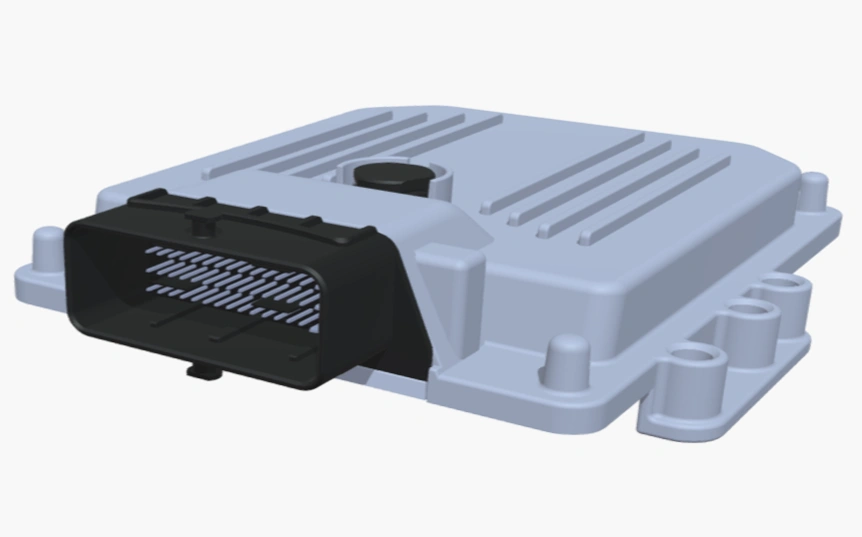
Telematics Control Unit (TCU)
Overview
Key Highlights
- •
Seamless Connectivity: 4G/2G, BLE 5.0, CAN integration, GPS/GNSS tracking.
- •
Smart Security: RFID driver authentication, immobilization, tamper alerts, IoT unplug detection.
- •
Operational Intelligence: Driver behavior analysis, battery and charging status, motion analytics.
- •
Remote Control: Instant alerts, remote ON/OFF, vehicle immobilization, SMS/TCP commands.
- •
Rugged and Reliable: IP67 protection, backup battery, OTA updates, short-circuit and voltage protection.
- •
Intuitive Dashboard: Log, monitor, track and review fleet data

Technical Specification
Network
Supports 2G & 4G
Power Input
9V to 100V
Bluetooth
Inbuilt Bluetooth 5.0
Battery
External Battery Backup 4000mAH
Use Cases
Fleet Safety & Proactive Risk Management
Regulatory Compliance & Insurance Optimization
Driver Behaviour Coaching & Performance
Car-Sharing / Rental Safety & Accountability
Segments Served
Our solutions cater to a diverse range of vehicle platforms and applications.

2 Wheelers

3 Wheelers

Commercial Vehicles

e-Bus

e-Tractors

Passenger Cars

e-Trucks

Construction Vehicles

Battery Swap/Charging Stations
Comprehensive Telematics Control Unit (TCU) Solution & Capabilities
Explore the key capabilities, technical aspects, and applications of our Telematics Control Unit (TCU)
FAQ’s About OptM’s Telematics Control Unit (TCU)
How does OptM’s Telematics Control Unit integrate with different vehicle types and CAN protocols?
How does OptM's telematic control module support Electric Vehicles (EVs) and battery health tracking?
Can OptM provide customized telematics hardware and software development for specific OEM requirements?
How does the telematics gateway unit improve fleet management and lower total operational costs?
How is vehicle data secured during remote diagnostics and Firmware Over-The-Air (FOTA) updates?
What physical protections and hardware safeguards are built into OptM’s vehicle telematics devices?
What are the advantages of choosing OptM as a telematics control unit manufacturer and supplier in India?
Are OptM’s telematics solutions export-ready for international market deployments?
Why Choose OptM’s TCU ?
Reliable Connectivity
Always connected with cellular, BLE, and GPS/GNSS for real-time data transmission.
Enhanced Security
Protects against theft, tampering, and unauthorized use with RFID, immobilization, and alerts.
Fleet Intelligence
Driver behavior monitoring, battery health insights, and geo-fencing for efficient operations.
Scalable and Supported
Designed for EVs and fleets with custom configurations, OTA updates, and integration support.

Make in India
At OptM, we are committed to strengthening India’s manufacturing ecosystem through cutting-edge technology, indigenous development, and world-class engineering solutions. We aim to drive national progress in Automotive, Defense and Broadcasting sector.
ARAI certified
Automotive Grade
Global Standards

Related Products
Explore our other production-ready hardware and software solutions.